
HVAC
The Efficiency of Modern HVAC Units: What San Antonio Homeowners Should Know
Updated September 2026
Modern HVAC units run far more efficiently than systems installed even ten years ago. Here is what SEER2 ratings, variable-speed compressors, and heat pumps actually mean for a San Antonio power bill.
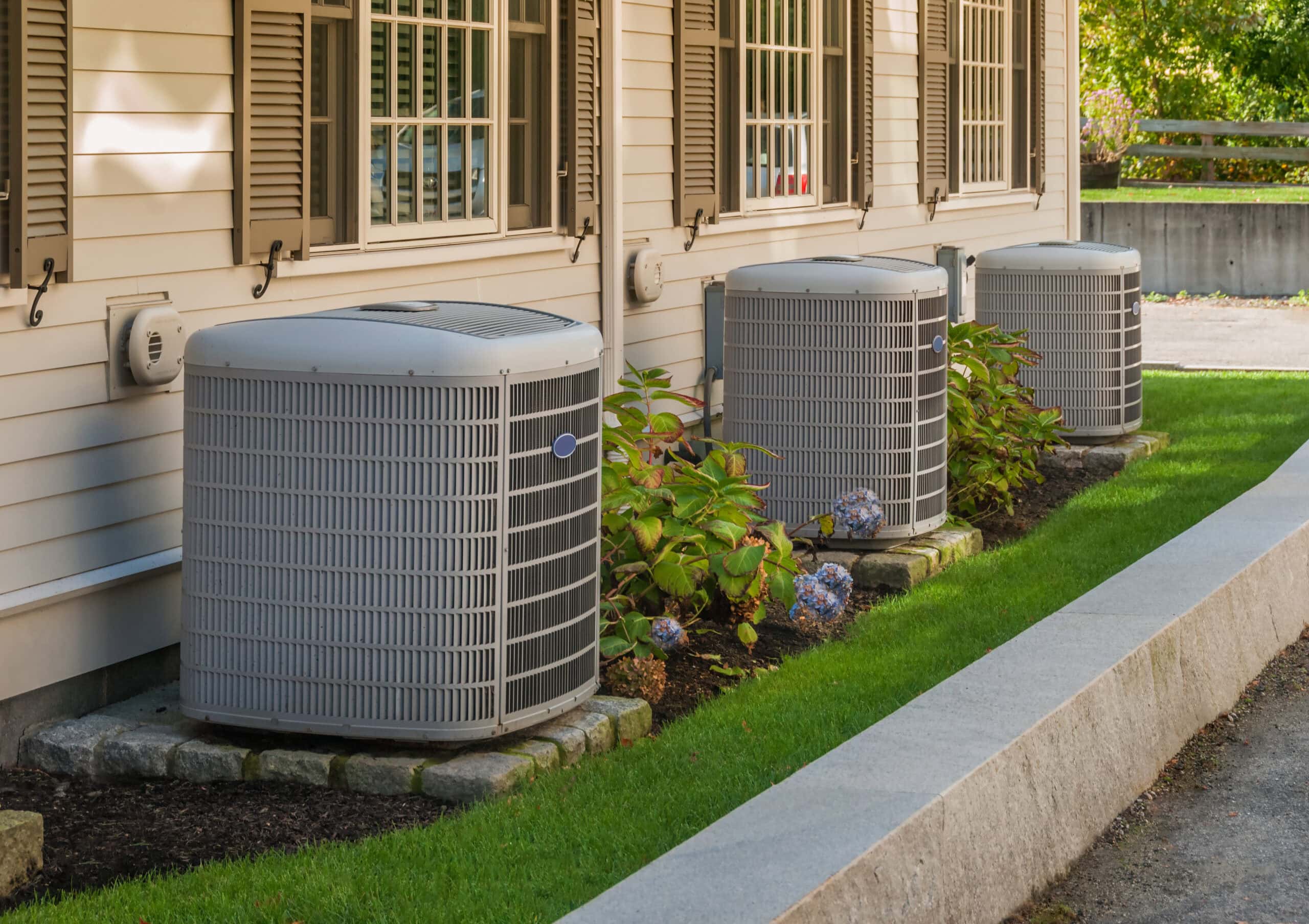
If your air conditioner was installed before 2015, it is almost certainly working harder and costing more than a system built today. That is not a sales pitch. It is the result of federal efficiency standards, better compressor technology, and smarter controls that have changed what a residential HVAC unit can do. This guide explains what those changes mean for a San Antonio home, where the cooling season runs from April into October and the electric bill is the number most homeowners actually care about.
What "efficiency" actually measures
Air conditioner efficiency is expressed as SEER2, which stands for Seasonal Energy Efficiency Ratio. It is the total cooling a system delivers over a season divided by the electricity it uses to deliver it. A higher number means more cooling per kilowatt-hour. The "2" was added in 2023 when the Department of Energy updated the test procedure to reflect real duct pressure, so SEER2 numbers run a little lower than the old SEER numbers for the same equipment. A 14.3 SEER2 unit is roughly equal to the old 15 SEER.
Texas sits in the DOE's Southeast region, which means the minimum efficiency for a new split-system air conditioner installed here is 14.3 SEER2 for systems under 45,000 BTU and 13.8 SEER2 for larger systems. Systems installed in the early 2000s were often 10 SEER. Many units still running in San Antonio neighborhoods like Windcrest, Live Oak, and Leon Valley are 10 to 13 SEER equipment from that era.
For heating, the equivalent numbers are HSPF2 for heat pumps and AFUE for gas furnaces. In South Texas the heating season is short, so cooling efficiency is where the money is.
What the numbers mean on a San Antonio bill
Efficiency ratios are proportional, so the math is simple. Replacing a 10 SEER system with a 16 SEER2 system cuts the electricity used for cooling by roughly 35 to 40 percent. Replacing a 13 SEER system with the same 16 SEER2 unit saves about 20 percent. Cooling is typically half or more of a San Antonio home's summer electric use, so a household spending $350 a month in July and August on a 10 SEER unit can reasonably expect that bill to drop by $60 to $80 in peak months after a properly sized replacement.
Two caveats matter. First, those savings assume the new system is sized correctly with a Manual J load calculation and connected to ductwork that is not leaking a quarter of its air into the attic. An oversized unit short-cycles and never reaches its rated efficiency. Second, savings scale with runtime. A 3,000 square foot two-story in Stone Oak with a west-facing wall of windows will save far more in dollars than a 1,200 square foot single-story in Alamo Heights with mature shade trees, even if both install identical equipment.
Variable-speed compressors: the real difference
The SEER2 rating gets the attention, but the technology behind the higher numbers is what changes how a home feels. Older units have a single-stage compressor: it is either off or running at 100 percent. Modern mid-range and premium systems use two-stage or variable-speed (inverter) compressors that can run anywhere from about 25 percent to full capacity.
In practice, a variable-speed system runs longer at a low speed instead of blasting for ten minutes and shutting off. That does three things. It holds the temperature within about half a degree instead of swinging three or four degrees. It removes far more humidity, which is why a 76 degree room in a variable-speed home feels cooler than a 74 degree room in a single-stage home during a humid San Antonio August. And it draws less power at startup, which is where single-stage compressors spend a lot of their energy.
Variable-speed systems also pair with variable-speed blower motors (ECM motors) that use a fraction of the electricity of the older PSC blower motors. On systems that run the fan continuously for air filtration, that motor swap alone can be worth $15 to $25 a month.
Heat pumps in South Texas
A heat pump is an air conditioner that can run in reverse to heat the house. Ten years ago the standard advice in San Antonio was that heat pumps lost efficiency below freezing and gas furnaces were the safer choice. Modern cold-climate heat pumps changed that, and San Antonio winters rarely stay below freezing for more than a night or two anyway. For most homes here, a heat pump handles heating at two to three times the efficiency of electric resistance heat and competes closely with gas once you account for the gas base charge.
Heat pumps are also the equipment category that gets the most incentive money. Federal tax credits for qualifying heat pumps have come and gone with recent legislation, and CPS Energy has run its own rebate programs for high-efficiency equipment. Rules and amounts change every year, so ask what is currently available before you buy rather than assuming.
Refrigerant changes you should know about
As of 2025, new residential equipment uses A2L refrigerants (R-454B or R-32) instead of R-410A. The new refrigerants have a much lower global warming potential and the equipment is slightly more efficient, but they are mildly flammable and require different handling, leak detection, and installation practices. Any contractor installing 2025 and newer equipment in San Antonio needs to be trained on A2L systems. R-410A itself is not going away for existing systems, but its price has been climbing as production winds down, which is one reason repairs on older units keep getting more expensive.
Repair or replace: a practical test
Efficiency alone rarely justifies replacing a working system. The clearer signal is when repair cost, age, and efficiency line up. A common rule: multiply the repair estimate by the system's age in years. If that number is over $5,000, replacement usually makes financial sense. A $900 compressor capacitor and contactor job on an 8-year-old unit ($7,200) is borderline. A $2,500 compressor replacement on a 14-year-old 12 SEER unit ($35,000) is an easy call, especially since the new system will cut the bill by a third.
Other signs that replacement will pay off: the system uses R-22 (manufactured before 2010), it needs refrigerant added every summer, it runs constantly on hot afternoons without holding temperature, or your summer bills are noticeably higher than neighbors with similar homes.
Getting the rated efficiency in real life
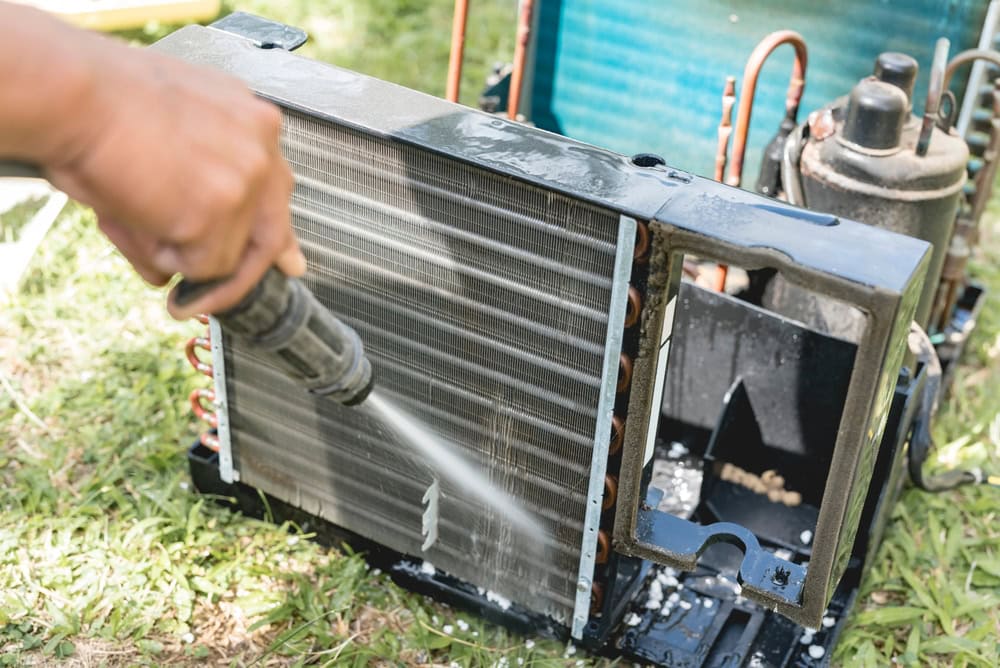
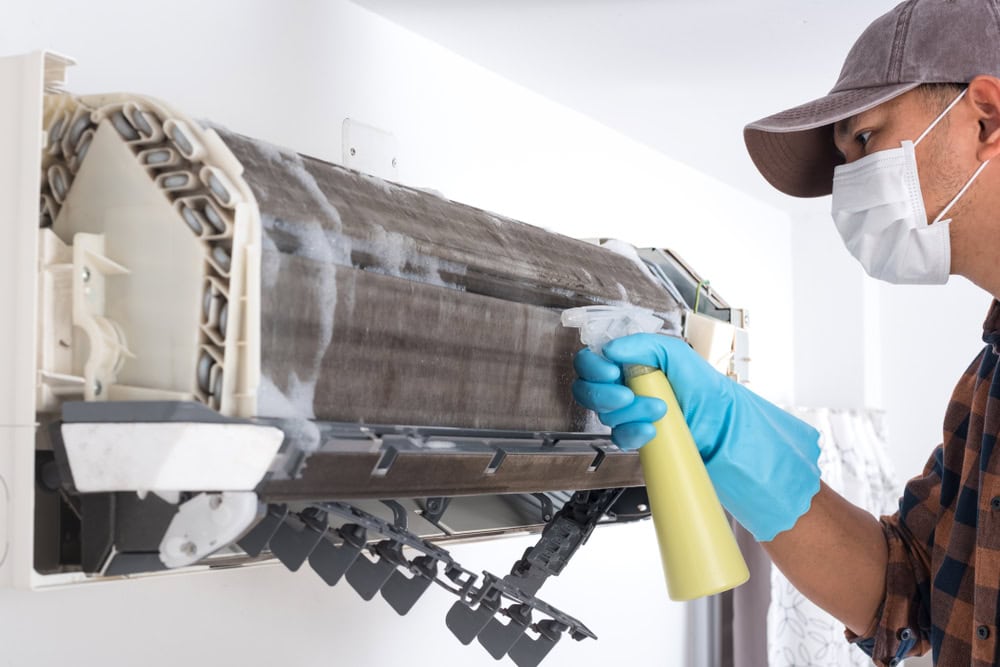
A 17 SEER2 unit installed on undersized returns, leaky ducts, and a dirty coil will perform like a 12 SEER unit. The installation matters as much as the equipment. Insist on a Manual J load calculation rather than a rule-of-thumb tonnage, ask for a duct leakage test or at least a visual inspection of the attic runs, and make sure the refrigerant charge is verified by superheat and subcooling measurements, not just by pressure. Then keep it efficient with a seasonal tune-up and coil cleaning; a coil coated in Hill Country cedar pollen and limestone dust can drop efficiency 10 to 15 percent in a single season.
The bottom line for San Antonio homeowners
Modern HVAC units are 30 to 50 percent more efficient than the equipment most San Antonio homes are still running, and variable-speed systems make a house noticeably more comfortable at the same thermostat setting. Whether that is worth the cost of replacement depends on your current system's age, its repair history, and how much you run it. If you want a straight answer for your house, Manuel & Sons will run the load calculation, show you the numbers on two or three equipment tiers, and tell you honestly if a repair still makes more sense. Call 210.549.4839 or build your system quote online.
If this is happening in your home right now, learn more about our full range of San Antonio HVAC services — or call us and we'll take a look.