
HVAC
Emergency HVAC Repairs for Texas Winters: What to Expect
Updated September 2026
Texas is known for its extreme heat — but when winter strikes, an emergency HVAC repair can make the difference between a cold night and a comfortable home.
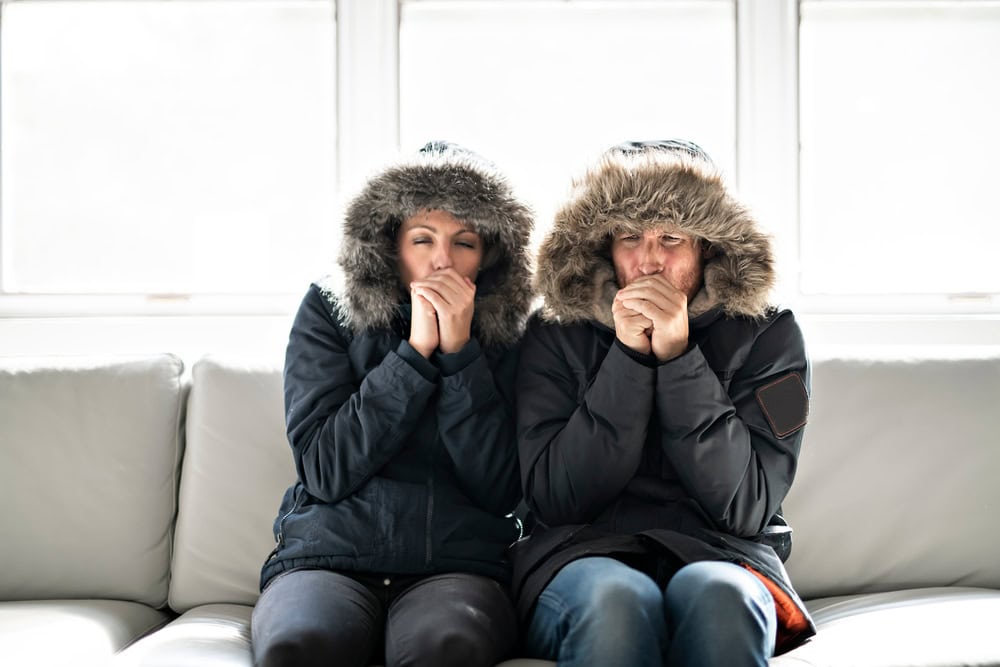
Texas winters are short, but they are not gentle. San Antonio can go from 75 degrees to a hard freeze in 24 hours, and the freeze of February 2021 showed how fast a house can become dangerous when the heat quits. Emergency heating repair is a different kind of call than a summer AC failure, and it helps to know what to expect before you are standing in a cold living room at 10 p.m.
Why heaters fail on the first cold night
Most heating systems in San Antonio sit unused from March until November. Gas furnaces collect dust on the burners and flame sensor, ignitors get brittle, and heat pump reversing valves stick. The first cold front asks the system to do everything at once after eight months idle, and the weakest part fails. The most common emergency calls we run are a furnace that clicks but never lights (dirty flame sensor or failed ignitor), a heat pump blowing cool air (reversing valve or low refrigerant), a system that runs but trips the breaker (failing blower motor or heat strips), and a thermostat that lost its heat setting after a power blip.
What happens when you call
Our dispatcher will ask what the system is doing, whether you smell gas, and whether anyone in the home is elderly, very young, or medically fragile. If you smell gas, leave the house and call CPS Energy first. Otherwise we will give you an arrival window and a technician will call ahead. In a cold snap we run extended hours and prioritize homes with no heat at all over homes that are merely uncomfortable. Same-day service is the norm; during a multi-day freeze we may be booking into the next morning, and we will tell you that up front rather than leaving you waiting.
What the visit looks like
The technician starts with a diagnostic, not a guess. On a furnace that means checking the ignition sequence, flame sensor, pressure switch, gas valve, and heat exchanger. On a heat pump it means checking the defrost board, reversing valve, refrigerant pressures, and auxiliary heat strips. You get a written price before any repair starts. Most emergency heater repairs are completed in one visit because our trucks carry ignitors, flame sensors, capacitors, contactors, and common control boards. If a part has to be ordered, we will get you running on emergency heat if the system allows it.
Keeping the house safe while you wait
Close off unused rooms and gather in one space. Use space heaters only on a dedicated outlet and never with an extension cord. Never run a gas oven, grill, or generator indoors for heat; carbon monoxide poisoning sends people to San Antonio emergency rooms every winter. Let faucets drip if the outside temperature will stay below freezing, and open cabinet doors under sinks on exterior walls.
How to avoid the emergency next year
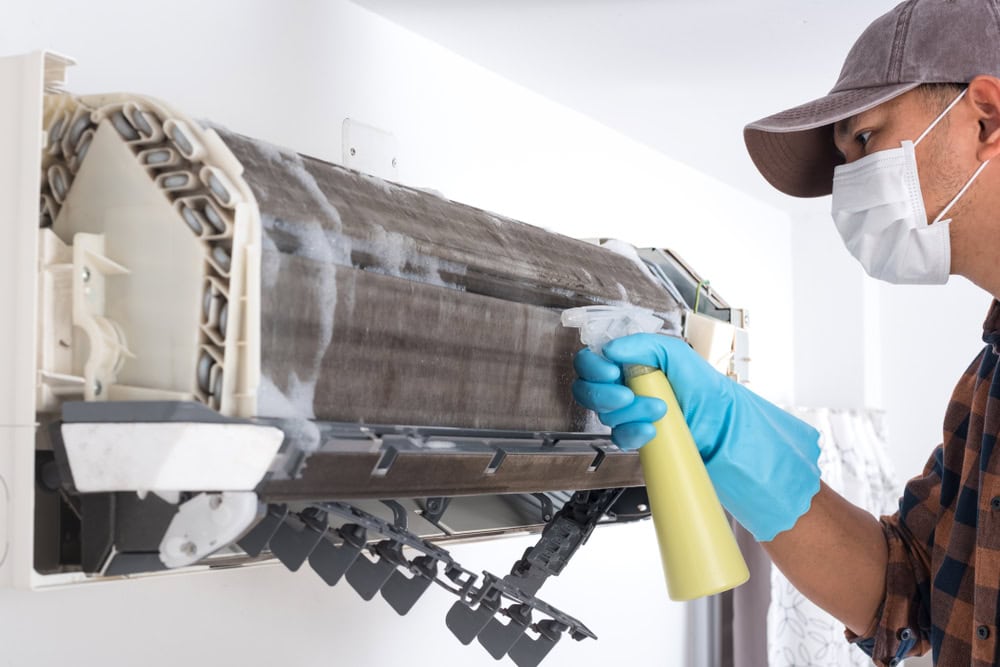
Almost every no-heat call we run in December could have been caught in a fall inspection. Our A/C and heater inspection runs the heating system through a full cycle, cleans the flame sensor and burners, tests the ignitor, checks heat strip amperage, and verifies the thermostat. It takes about an hour and it is the cheapest insurance you can buy against a cold night. If your heater is already acting up, call 210.549.4839 and we will get someone out to you.
If this is happening in your home right now, learn more about our full range of San Antonio HVAC services — or call us and we'll take a look.