
Maintenance
A Seasonal Maintenance Schedule for Cleaning Evaporator Coils
Updated September 2026
As the seasons change, your HVAC system needs different care. A consistent evaporator coil cleaning schedule keeps your AC efficient year-round.
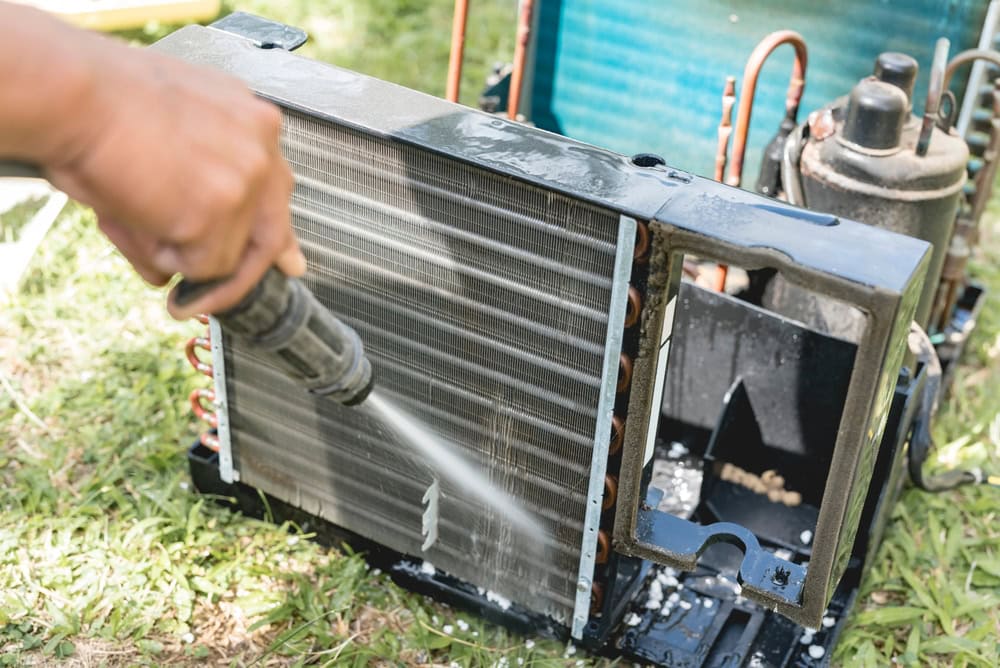
The evaporator coil is the part of your air conditioner that actually does the cooling. It sits inside the air handler, usually in the attic or a closet, and every cubic foot of air in your house passes over it many times a day. In San Antonio that air carries cedar pollen in January, oak pollen in March, dust all summer, and humidity nearly year round. All of it lands on the coil. A coil that has never been cleaned can lose 20 to 30 percent of its cooling capacity while using the same electricity, which is why a seasonal cleaning schedule pays for itself.
Why the coil gets dirty even with a good filter
A standard 1-inch filter catches the big stuff. It does not catch fine dust, smoke particles, pet dander, or the film that forms when humid air condenses on cold metal. That condensation is the real problem. Water on the coil turns dust into a paste, and in a warm attic that paste grows mold. The result is a coil that is partially insulated from the air it is supposed to cool, a drain pan that starts to smell, and a musty odor every time the system kicks on.
A schedule that fits South Texas
Late February to early March. This is the most important cleaning of the year. Cedar season has just ended, oak is about to start, and the system has been running heat, which dries the coil out and bakes on whatever was there. A deep clean now sets you up for the first 90 degree days in April.
Late June. By now the system has been running eight to twelve hours a day for two months. A mid-summer inspection catches the drain line before it clogs and lets a technician check refrigerant charge and airflow while the coil is clean. This is a light cleaning, not a full pull.
October. Ragweed and mold spores peak in the fall, and this is the cleaning that helps allergy sufferers the most. It also prepares the system for the switch to heat, when a dirty coil in a heat pump system hurts efficiency in both directions.
What a real coil cleaning includes
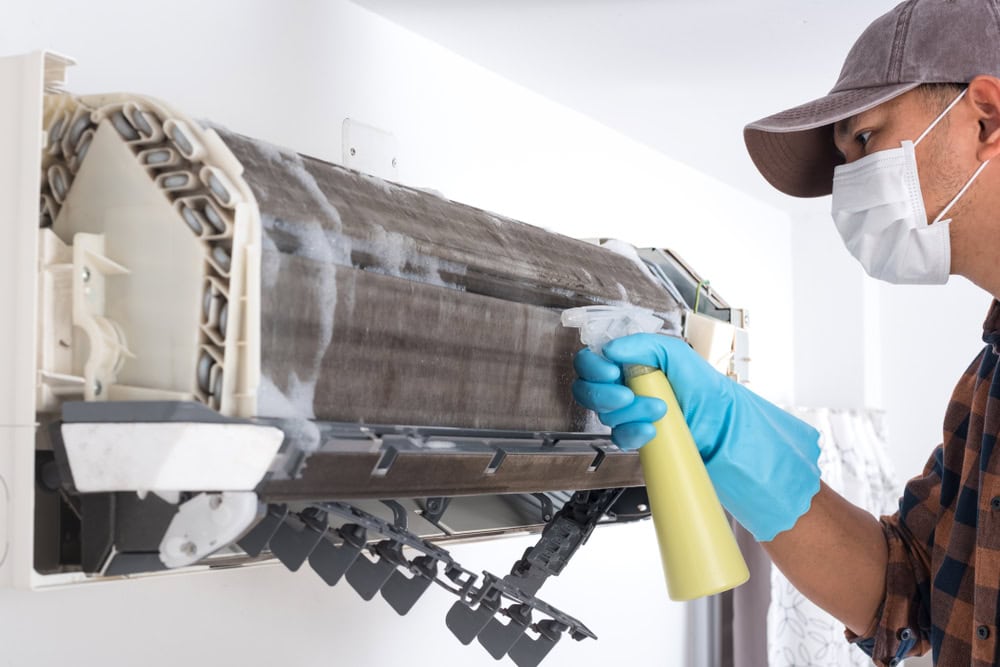
A proper cleaning is not a spray of foam through the access panel. Our technicians remove the access cover, inspect the coil on both sides, apply a foaming coil cleaner that lifts debris out of the fins, rinse where the design allows, straighten bent fins, clear and flush the condensate drain line, clean or replace the drain pan treatment, and verify airflow and temperature split afterward. On heavily fouled coils we pull the coil for a bench cleaning, which takes longer but restores the equipment to near-new performance. Our evaporator coil cleaning service page describes the options.
Signs you are overdue
Airflow from the vents feels weaker than it used to. The system runs longer to reach the set temperature. There is a musty or dirty-sock smell when the air conditioner starts. Your electric bill climbed even though the weather did not. Water is showing up around the indoor unit or on a ceiling below the attic. Any one of these is reason to schedule a cleaning; two or more usually means the coil has been neglected for years.
Pairing cleaning with a maintenance plan
The easiest way to stay on this schedule is a maintenance contract that includes the spring and fall visits, priority scheduling in the summer, and discounted parts if anything is found. For most San Antonio homes the plan costs less than one emergency call and adds years to the equipment. Call 210.549.4839 and we will get your coil on the calendar.
If this is happening in your home right now, learn more about our San Antonio evaporator coil cleaning service — or call us and we'll take a look.