
Air Quality
The Comprehensive Guide to Evaporator Coil Cleaning for Allergy Sufferers
Updated September 2026
October brings sneezes and coughs echoing through San Antonio homes. A clean evaporator coil cuts indoor allergens at the source.
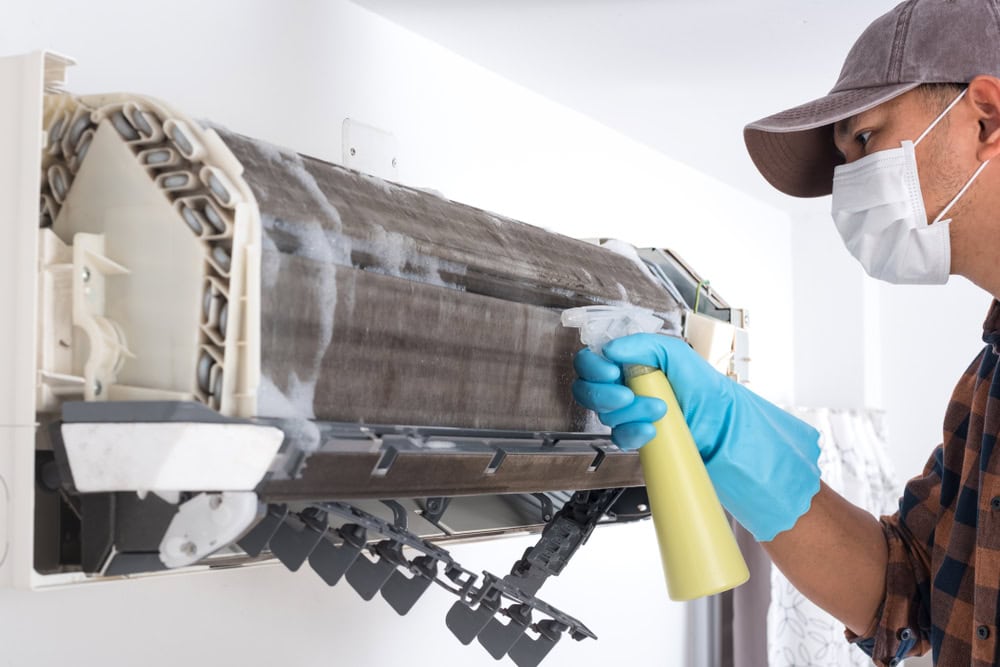
San Antonio is one of the worst allergy cities in the country, and the reason is not just what is outside. Mountain cedar in December and January, oak in March, grasses through summer, and ragweed and mold in the fall all end up inside your home, and the one surface that touches every bit of that air is the evaporator coil in your air conditioner. For allergy sufferers, a clean coil is as important as a good filter, and most homes have never had one cleaned.
How the coil becomes an allergy source
The evaporator coil runs at around 40 degrees while the system is cooling. Warm, humid house air hits it, water condenses on the fins, and whatever is in the air sticks to the wet metal. Pollen, dust mite debris, pet dander, and mold spores all collect there. Because the coil stays damp and dark, mold does not just collect, it grows. Every time the blower starts, air passes over that growth and carries spores and fragments into every room. This is why some people feel worse indoors during allergy season even with the windows closed.
Filters help, but only so much
A pleated MERV 8 filter catches most pollen. A MERV 11 or 13 filter catches finer particles, but many San Antonio systems were not designed for the extra resistance and will lose airflow. Even the best filter does nothing about mold that is already growing on the coil, and it does nothing about the drain pan under the coil, which is a standing pool of water in a warm attic. Cleaning removes the source instead of trying to catch what it releases.
What a cleaning does for indoor air
After a proper coil cleaning, the musty smell at startup disappears, airflow improves so the filter can do its job, and the coil no longer sheds spores into the airstream. Customers with asthma or seasonal allergies usually notice the difference within a day or two, particularly in the bedroom where the system runs all night. We also clear and treat the condensate drain line and pan, which stops the microbial growth that causes the dirty-sock smell.
Adding UV-C light for ongoing control
For households where allergies are a serious problem, a UV-C lamp mounted at the coil keeps mold from growing back between cleanings. The lamp shines continuously on the wet coil surface and drain pan and neutralizes mold, bacteria, and viruses at the source. It does not clean the air in the rooms, but it keeps the coil sterile, which is where most of the problem starts. Our UV air quality light installation pairs well with a coil cleaning and a better filter.
A simple plan for allergy season
Schedule a coil cleaning in late February before oak season and again in October before ragweed and fall mold peak. Switch to a pleated filter and change it every 60 days during heavy pollen months. Run the fan on auto rather than continuous so the coil can dry between cycles. Consider a UV-C lamp if anyone in the home has asthma. And keep the outdoor unit clear of cedar and oak debris so the system is not working harder than it needs to. Our coil cleaning service is a quick call away at 210.549.4839.
If this is happening in your home right now, learn more about our San Antonio evaporator coil cleaning service — or call us and we'll take a look.