
Homeowner Tips
Is Financing a New HVAC a Good Idea?
Updated September 2026
Purchasing an HVAC system is no small investment. Here's when financing makes sense — and when it doesn't.
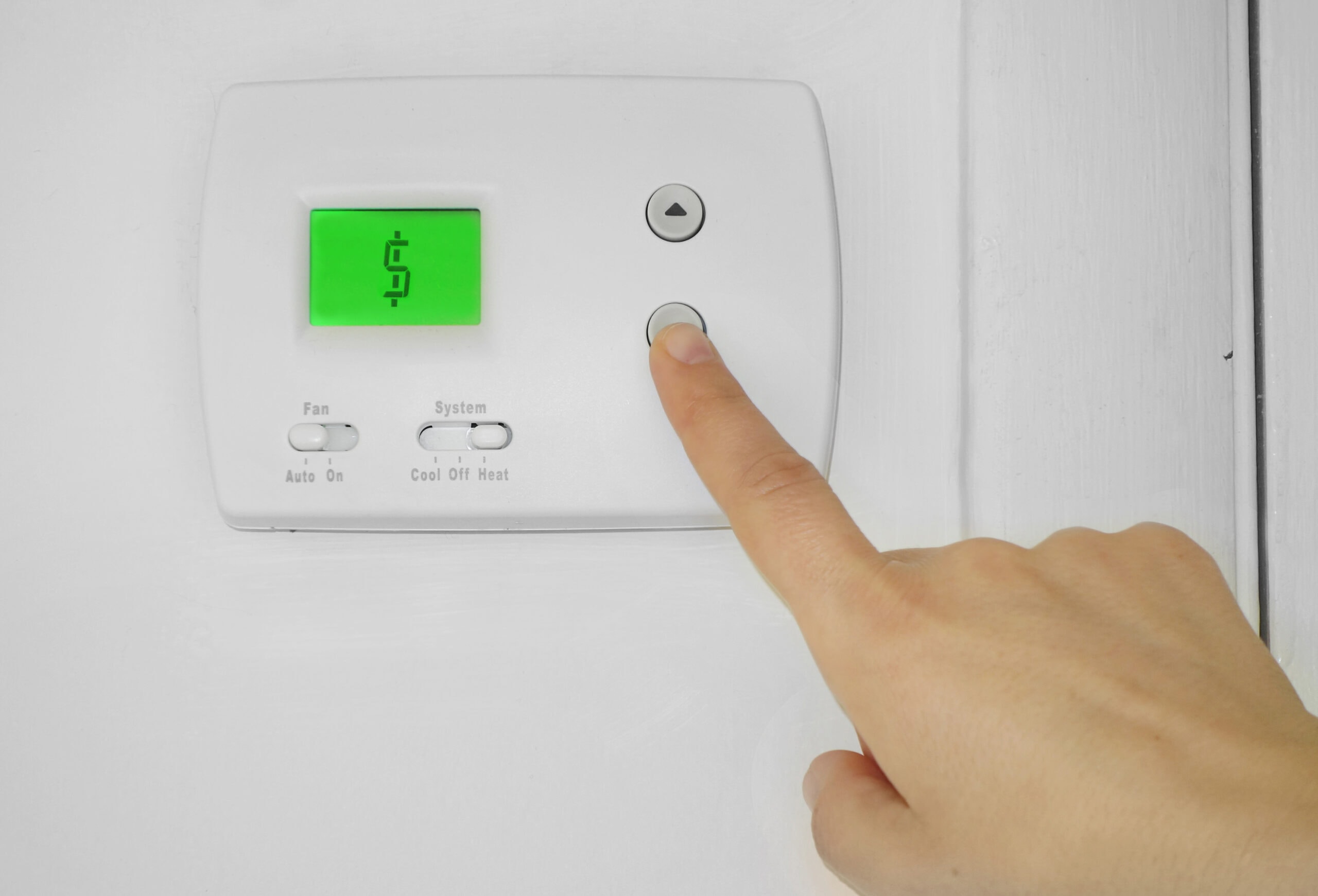
A full HVAC system replacement in San Antonio runs from the high four figures to well into five figures depending on size, efficiency, and how much ductwork needs correcting. Very few families have that sitting in checking, especially when the old system dies in the middle of summer. Financing is how most replacements get done, and used well it is a smart tool. Used carelessly it can cost more than the system. Here is how to think it through.
When financing makes sense
Financing is a good idea when the old system is beyond economical repair, when the new system will cut the electric bill enough to cover a meaningful part of the payment, and when the terms are clear and the rate is reasonable. A 15-year-old 10 SEER unit replaced with a 16 SEER2 system might save $50 to $80 a month in summer on a typical San Antonio home. If the payment is $150 a month, the real cost of the upgrade is closer to $80 during the months you would have been running the old unit anyway.
It also makes sense when a repair would cost more than a third of the replacement price on a system over 12 years old, or when the old system uses R-22 refrigerant, which is now expensive enough that a single recharge can cost as much as a year of financing payments.
When it does not
Financing is a bad idea when it is used to buy more system than the house needs. Salespeople on commission love to pair a 20 SEER variable-speed system with a 96-month loan because the monthly number looks small. If your home is 1,400 square feet and you plan to sell in three years, that system will never pay for itself. It is also a bad idea when the repair that is being called "not worth it" is a $600 capacitor and contactor on an eight-year-old system with a clean coil. Get the repair option in writing before you sign for a replacement.
Understanding the offers
Promotional 0 percent for 12 to 18 months. Great if you can pay it off in that window. Most of these are deferred interest, meaning if a balance remains at the end, interest is charged back to day one at 25 percent or more. Know the payoff date and set the payment to hit it.
Fixed-rate installment loans. The most predictable option. A 60 to 120 month loan at a fixed rate through the manufacturer's finance partner or a credit union. Compare the APR, not the monthly payment.
Home equity or HELOC. Usually the lowest rate available and sometimes tax deductible, but it puts your house behind the loan and takes longer to set up. Good for planned replacements, not emergencies.
Credit union personal loans. Often competitive with dealer financing and without the dealer markup. Worth a phone call before you sign anything.
Questions to ask before signing
What is the APR? Is there a prepayment penalty? Is the promotional rate deferred interest? What is the total cost over the life of the loan? Does the price include the permit, the duct modifications, the thermostat, and haul-away? Is the labor warranty in writing, and for how long? A reputable contractor will answer all of these without hesitation.
How we handle it
Manuel & Sons offers financing on new AC installations and heating systems, and we will always show you the repair option alongside replacement. We size the system with a load calculation rather than guessing, quote two or three equipment tiers so you can see what the extra efficiency actually costs, and put the warranty in writing. If you want to see the numbers for your house, use our system builder or call 210.549.4839.
If this is happening in your home right now, learn more about our full range of San Antonio HVAC services — or call us and we'll take a look.