
HVAC
How To Identify A Broken Or Under-Functioning HVAC System
Updated September 2026
With summer just around the corner, learn the warning signs that your HVAC needs attention before peak heat arrives.
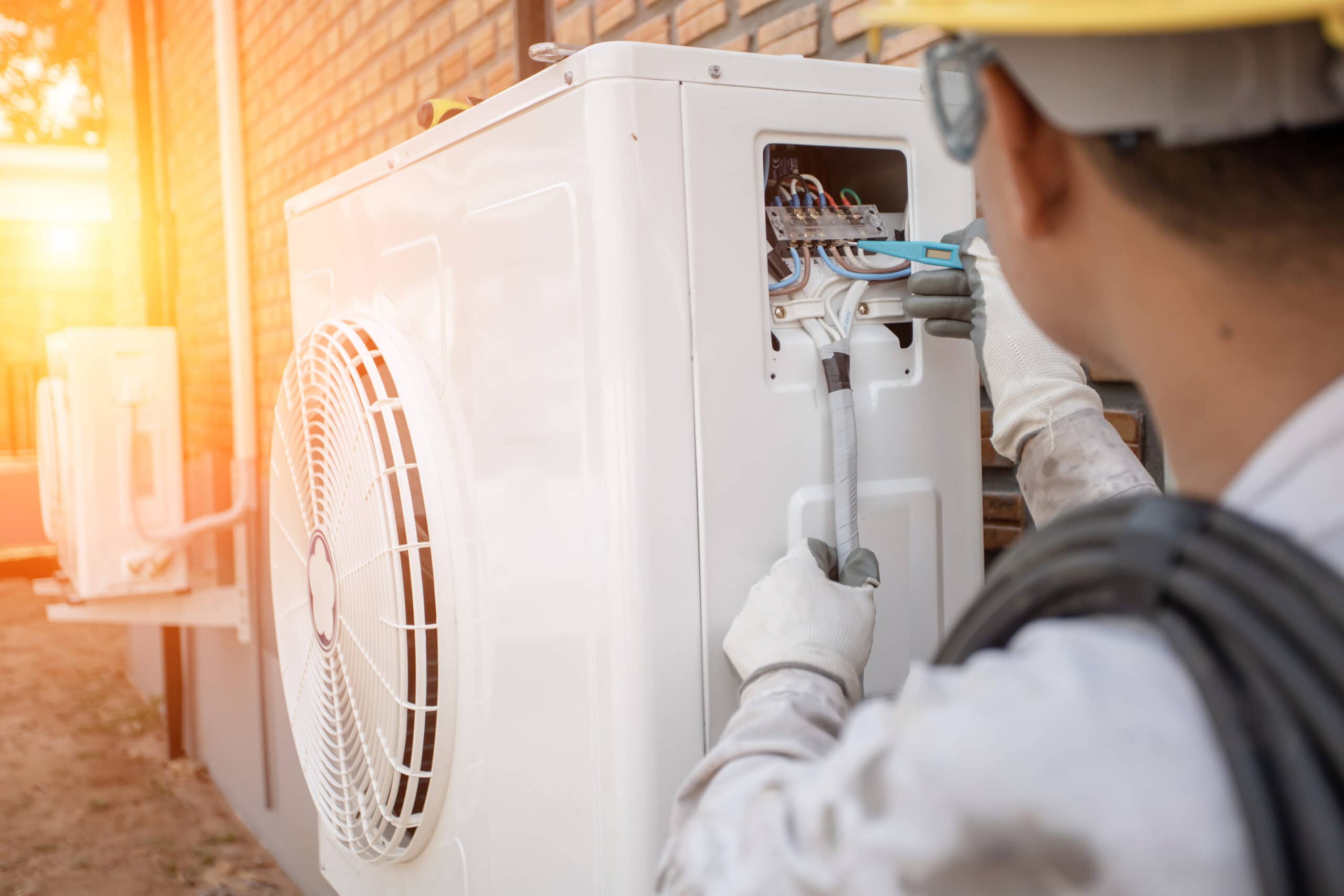
An HVAC system rarely goes from fine to dead in one day. It slides. It cools a little less, costs a little more, and makes a new sound you get used to. By the time it quits, the compressor has often been struggling for a year. Knowing how to spot an under-performing system lets you fix a small problem in April instead of replacing a big one in August. Here is how to check your own system in about ten minutes.
The temperature split test
Run the air conditioner for at least 15 minutes. Use a kitchen thermometer to measure the air at a return grille and the air at a supply vent close to the air handler. A healthy system in San Antonio humidity shows a difference of 15 to 20 degrees. A split under 12 degrees means the system is not removing enough heat: low refrigerant, a dirty coil, or a weak compressor. A split over 22 degrees usually means restricted airflow, most often a clogged filter or a collapsing duct.
Runtime and cycling
Note how long the system runs per cycle on a hot afternoon. Fifteen to twenty minutes on, then a break, is normal. Running for an hour or more without reaching the set point means it is undersized, low on refrigerant, or losing cold air into the attic through duct leaks. Cycling on and off every few minutes is short cycling and points to a thermostat issue, an oversized unit, or an overheating compressor.
Look at the outdoor unit
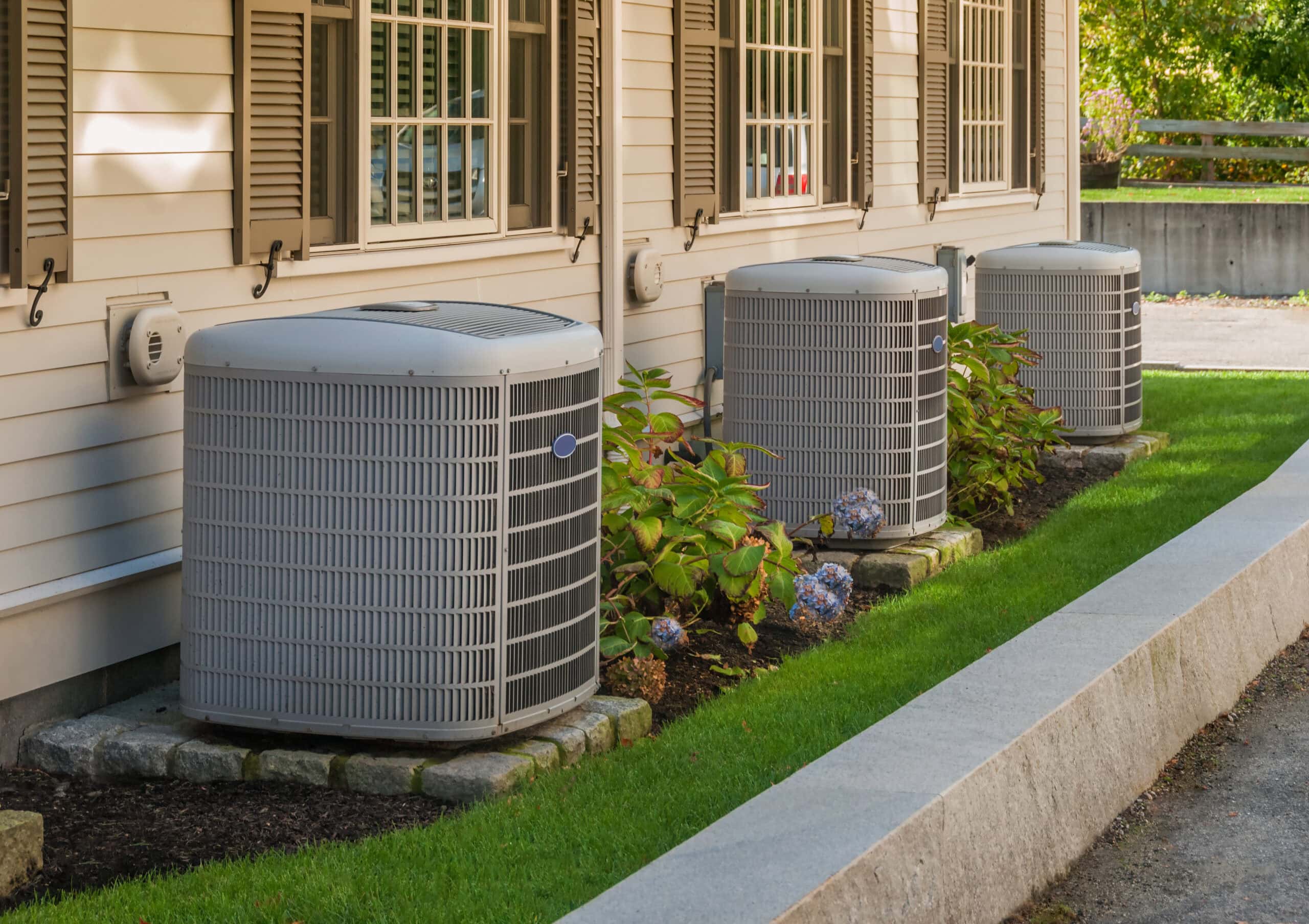
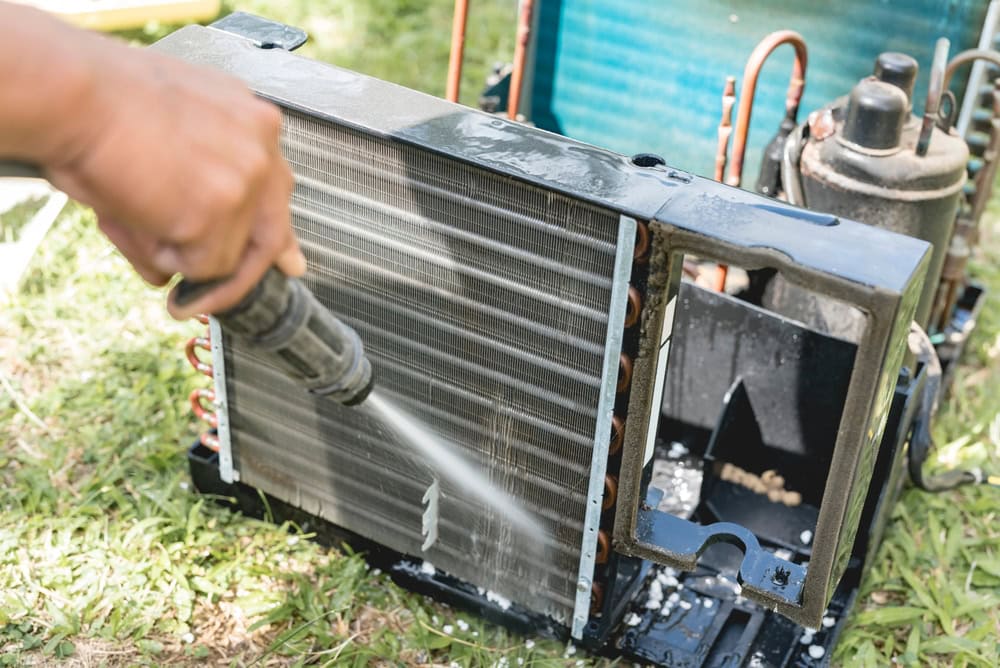
With the system running, the fan on top should spin smoothly and the air coming off the top should feel warm; that is the heat it pulled out of your house. If the fan is not turning, if the unit hums loudly, or if the fins are packed with cottonwood fluff, grass clippings, or oak pollen, the system is working much harder than it should. Look at the larger copper line where it enters the unit. Frost or ice on that line means a refrigerant or airflow problem, and the system should be shut off.
Check the indoor unit and drain
Pull the filter and hold it to the light. If you cannot see through it, replace it. Look at the drain line where it exits the house, usually a PVC pipe near the outdoor unit or at the roofline. With the system running you should see occasional drips. No water at all on a humid day means the drain is clogged and water is going somewhere else, usually the drain pan or your ceiling.
Listen for the wrong sounds
Squealing at startup is a belt or bearing. Grinding from the outdoor unit is a fan motor. A loud hum with no fan is a capacitor. Clicking that repeats without a start is a contactor or control board. A hiss or bubbling near the indoor coil is a refrigerant leak. Any of these will get worse and none of them are do-it-yourself repairs.
Compare the electric bill
Pull up the same month from last year on your CPS Energy account. Usage up 15 to 20 percent with similar weather means efficiency has dropped. Combined with any of the signs above, it is a strong indicator the system needs a technician before peak season.
What to do with what you found
One small sign, like a dirty filter, you can fix yourself. Two or more signs, or anything involving ice, noise, or water, means it is time for a professional diagnostic. Our HVAC diagnostics service measures refrigerant charge, superheat and subcooling, static pressure, and electrical draw, and gives you a written report of what is actually wrong. Call 210.549.4839 and we will get a technician out.
If this is happening in your home right now, learn more about our full range of San Antonio HVAC services — or call us and we'll take a look.